


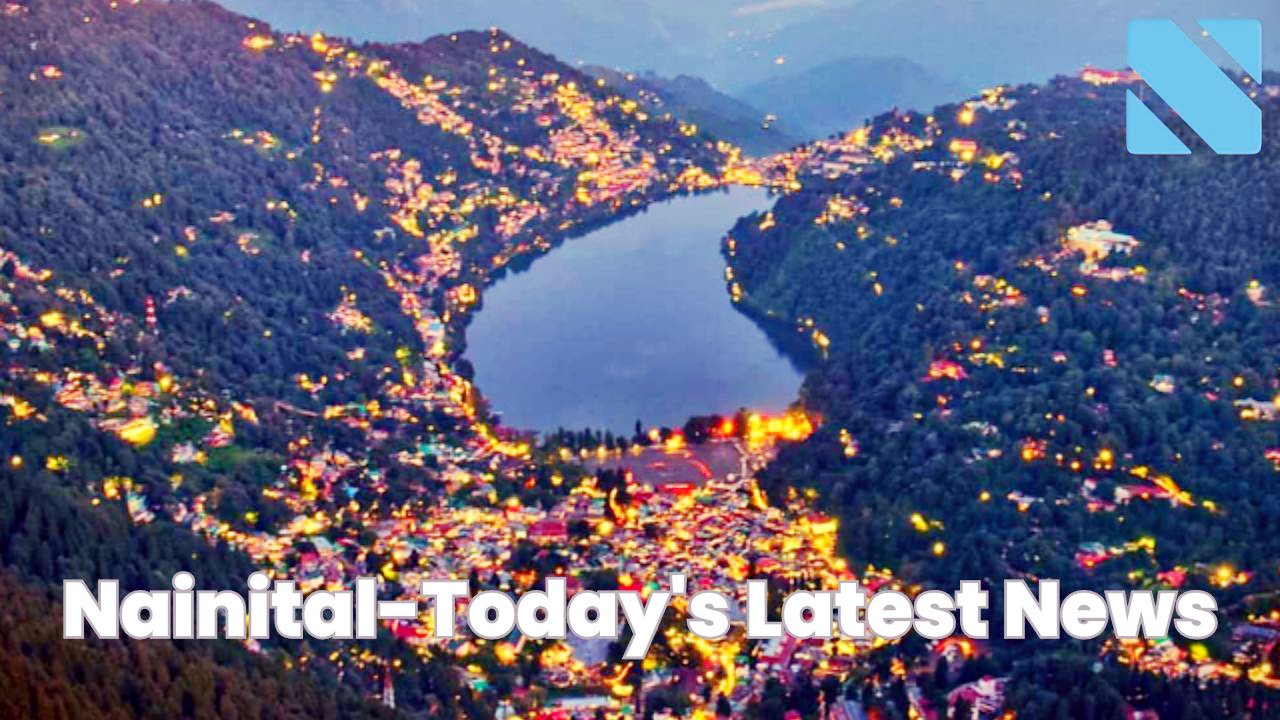
Navin Samachar, Nainital, August 30, 2025 ((Nainitals Nanda Devi Mahotsav-A Century-Old). The serene hill town of Nainital is once again illuminated with devotion, music, and cultural vibrance as it celebrates the 123rd edition of the Nanda Devi Mahotsav, popularly known as the Lok Jaat. Considered the most important festival of the region, this community-led celebration honors Goddess Nanda Devi and her sister Goddess Sunanda, uniting people across Kumaon and Garhwal in a spirit of faith, sustainability, and heritage.
🌸 The Divine Legacy of Nanda Devi
Goddess Nanda Devi is revered as the Kuldevi (patron goddess) of Uttarakhand, particularly among the Chand dynasty rulers of Kumaon. Legends describe her as an embodiment of prosperity, power, and protection. Some traditions connect her to Mahmaya, the daughter of Yashoda in the Dwapar Yuga, who later manifested as the nine forms of Goddess Durga. In local mythology, Nanda and Sunanda are depicted as daughters of the Chand royal family, who sacrificed their lives in a tragic episode of betrayal and were later worshipped as protectors of the land.
This layered mythology gives the festival its dual nature—both devotional and cultural—bridging the sacred with community life.
🌄 Historical Roots of the Festival
While the origins of Nanda Devi worship go back centuries, historians believe that the structured celebration began in the 7th century in Garhwal, before spreading to Kumaon under the Chand rulers. In Almora, the festival was royal in character, with kings sponsoring grand processions and fairs.
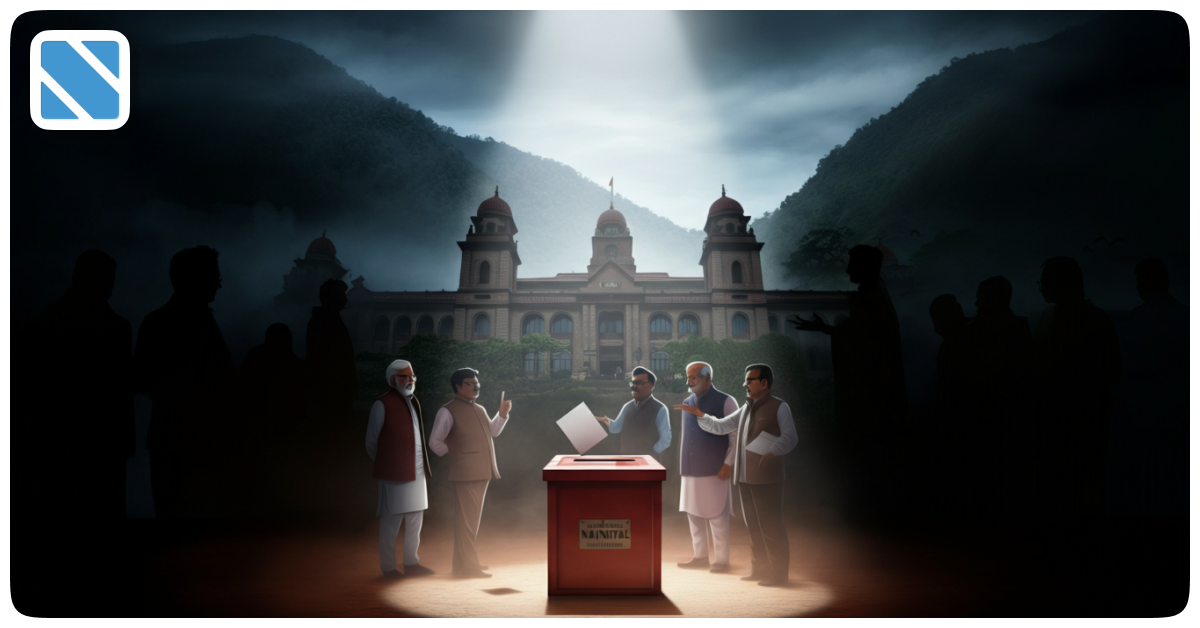
In Nainital, however, the festival took on a different identity. It was not initiated by kings, but by the local community, making it a people’s festival in the truest sense. In 1903, Motiram Shah, a devotee from Almora, introduced the Nanda Devi festival to Nainital, and since 1926, the Shri Ram Sevak Sabha, the town’s oldest religious-social organization, has organized it continuously—even during the two World Wars and the COVID-19 pandemic.
This uninterrupted history is why Nainital is called the originator of Nanda Devi Mahotsavs in Kumaon.
🌿 Rituals, Folk Arts, and Sustainability
One of the highlights of the Mahotsav is the creation of idols of Nanda and Sunanda. These are traditionally crafted from banana tree trunks, bamboo, cloth, and natural colors. Unlike in earlier decades when even silver idols were made, today the focus is on eco-friendly materials, keeping the festival aligned with environmental values.
Since 1998, a unique tradition has been followed—for every two banana trees cut to make the idols, 21 fruit-bearing trees are planted. In 2012, the age-old practice of animal sacrifice was also replaced with the offering of coconuts, marking another progressive step.
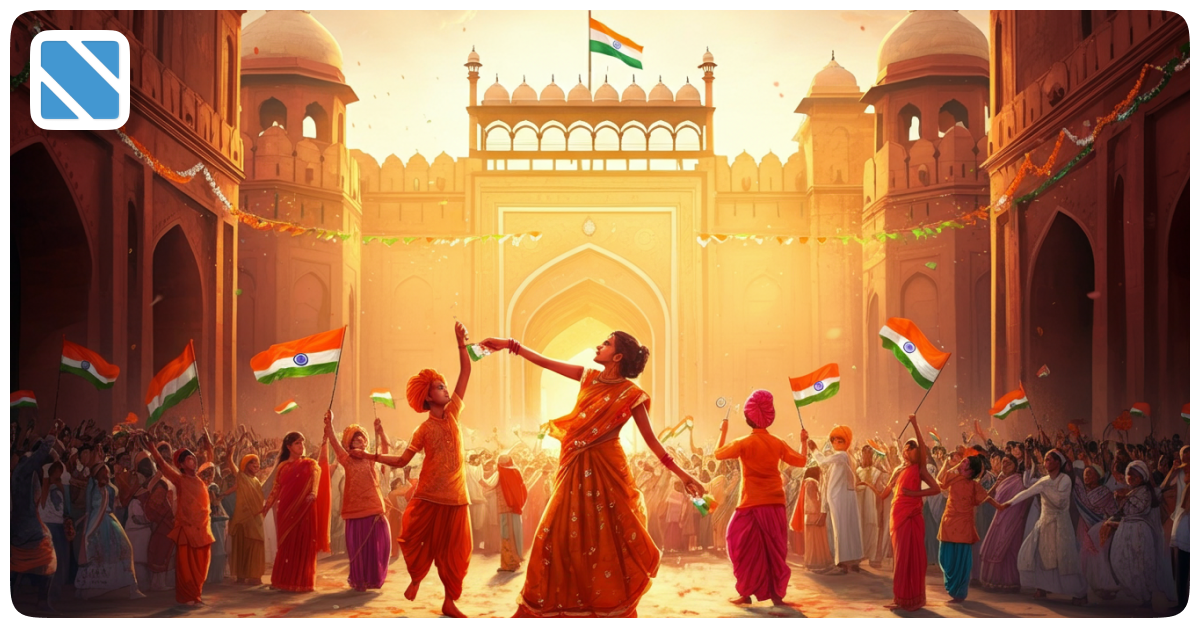
The festival is not just about rituals; it is a showcase of Kumaoni folk culture. Local artists perform Jhoda, Chanchari, and Chapeli dances, while devotional songs and traditional instruments like dhol and damau create a vibrant atmosphere. Women dressed in traditional attire participate in large numbers, making the festival a reflection of the region’s collective cultural pride.
🏔️ The Lok Jaat vs. the Raj Jaat
In Garhwal, the Nanda Devi Raj Jaat Yatra is held once every twelve years, a grueling 280 km pilgrimage through the Himalayan highlands. By contrast, Nainital’s festival is known as the Lok Jaat, held every year without interruption.
The Lok Jaat is unique because it is organized entirely by the people, without royal patronage. This distinction makes it a living example of how community devotion sustains traditions even in changing times.
📖 Modern Dimensions and Global Aspirations
Over the years, the Nanda Devi Mahotsav has embraced modernization while keeping its soul intact. In 2005, printed souvenirs and booklets began documenting the festival’s history. In 2007, the tradition of performing aarti of the Naini Lake alongside the goddess idols was introduced, symbolizing harmony between faith and nature. In 2011, the festival launched its own digital presence, connecting devotees worldwide.
The latest initiative is the documentation of the entire festival with the aim of proposing it for recognition as a UNESCO Intangible Cultural Heritage. If approved, it will join the ranks of the Nanda Devi National Park and Valley of Flowers, already UNESCO World Heritage Sites, further enhancing Uttarakhand’s cultural identity on the global stage.
🌺 Conclusion (Nainitals Nanda Devi Mahotsav-A Century-Old)
The Nanda Devi Mahotsav of Nainital is more than just a religious fair—it is a century-old cultural bridge that links mythology, ecology, folk art, and community participation. At a time when cultural traditions worldwide face erosion, this festival continues to thrive, enriching Uttarakhand’s spiritual and cultural landscape year after year.
For the people of Kumaon and Garhwal, the sound of devotional songs, the sight of eco-friendly idols, and the joy of collective participation reaffirm that Nanda Devi is not just a goddess but a symbol of unity, resilience, and sustainability.
Click here to read today’s other and Uttarakhand’s latest updates on ‘Navin Samachar’. Click here to join our WhatsApp Group, WhatsApp channel, Facebook group, Google news, X, Threads, Telegram, Kutumb app and Dailyhunt. Click here to shop at maximum discounts on Amazon. If you feel that ‘Navin Samachar’ is doing good work then support us by clicking here…
(Nainitals Nanda Devi Mahotsav-A Century-Old, Nainitals Nanda Devi Mahotsav-A Century-Old, Nanda Devi Festival, Nainital Cultural Heritage, Nanda Devi Mahotsav 2025, Nainital Lok Jaat, Kumaon Garhwal Traditions, Uttarakhand Folk Culture, Eco-friendly Indian Festival, Goddess Nanda Sunanda, Nanda Devi UNESCO Heritage, Uttarakhand Religious Tourism,)
Discover more from Navin Samachar
Subscribe to get the latest posts sent to your email.



Leave a Reply